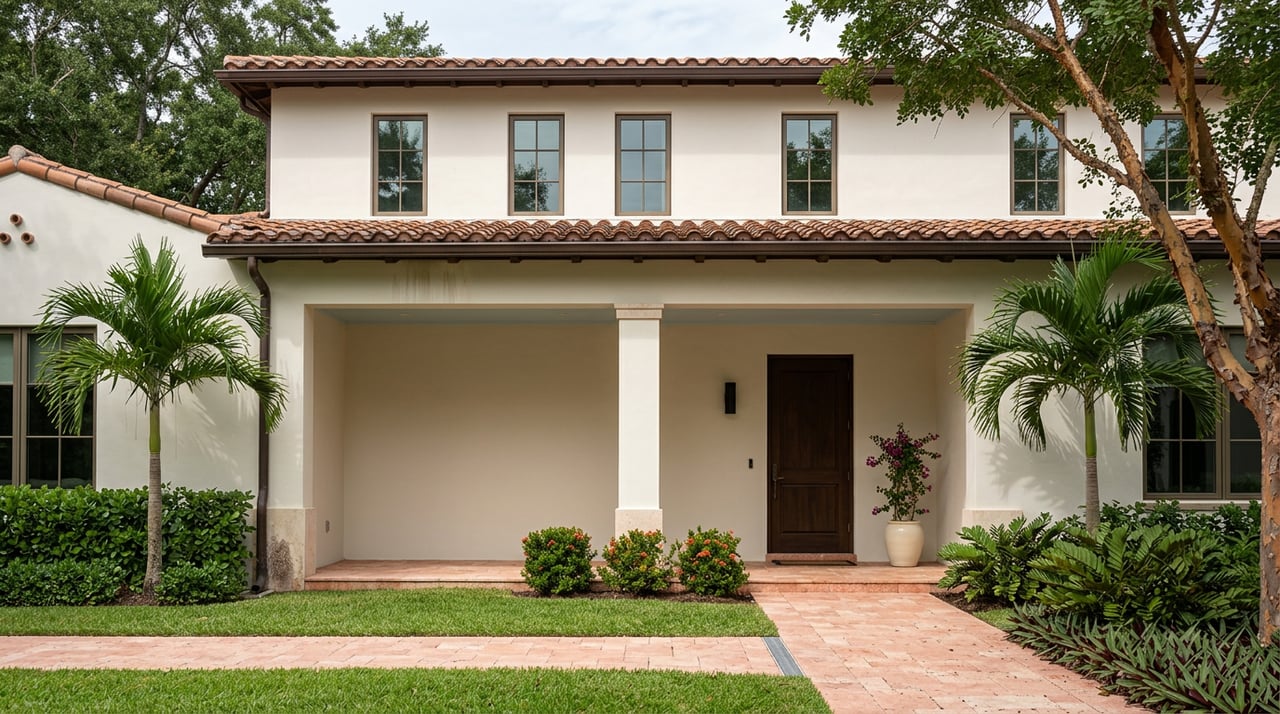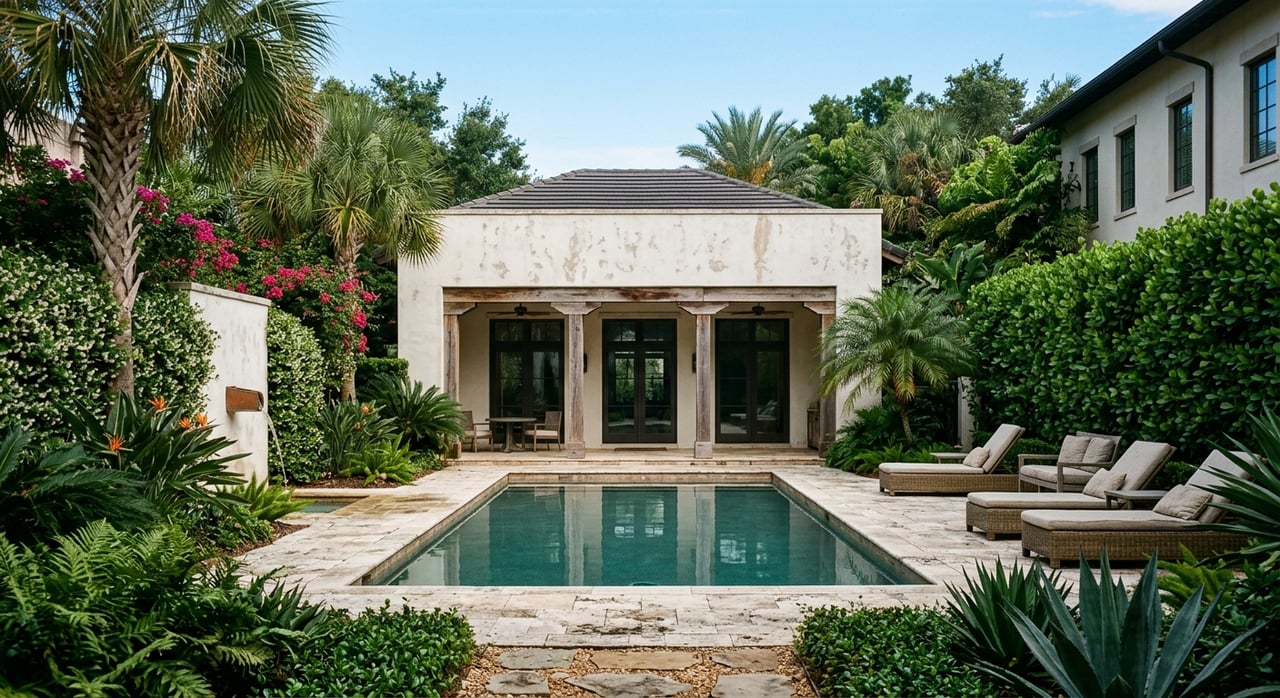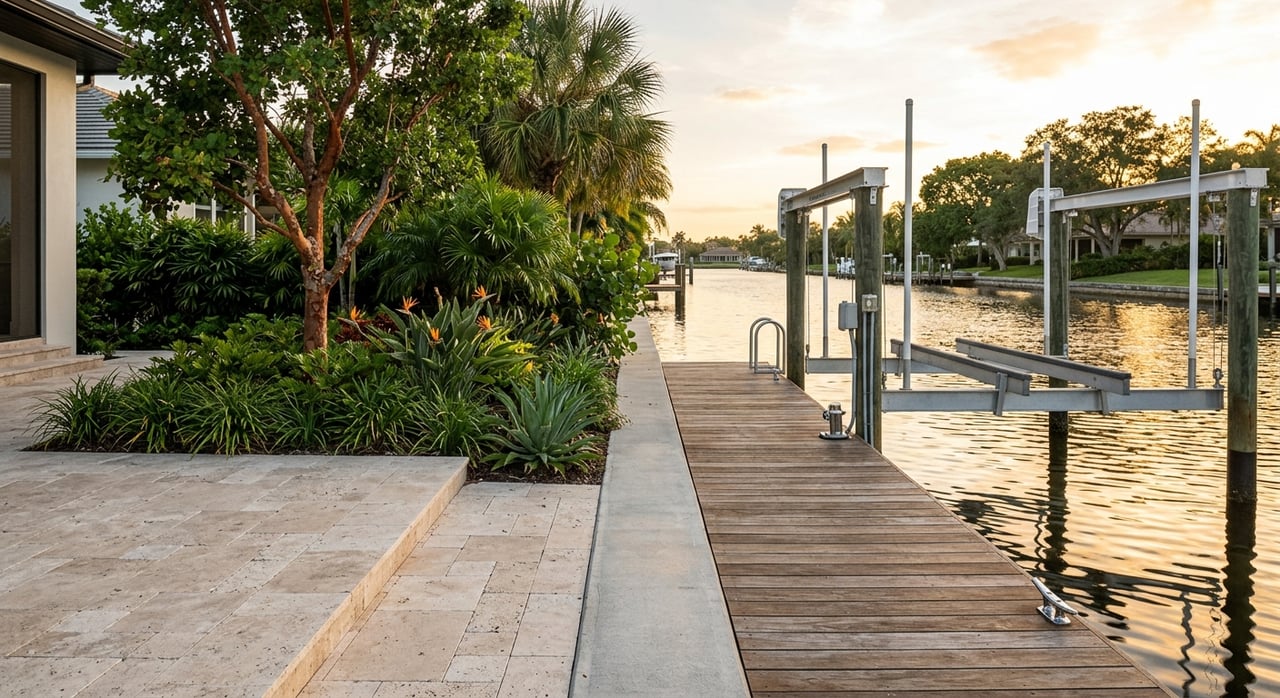
Thinking about buying a waterfront home in The Cove? It can be an exciting move, but it also comes with questions that matter more here than in many other neighborhoods. If you want bay access, neighborhood character, and a clear picture of what you may be taking on, this guide will help you focus on the details that deserve your attention before you make an offer. Let’s dive in.
Why The Cove draws waterfront buyers
The Cove is closely tied to Panama City’s bayfront setting on St. Andrews Bay. The city highlights waterfront living, public marinas, public boat ramps, and waterfront parks as part of the local appeal. That means if you are drawn to life near the water, The Cove fits naturally into that lifestyle.
Adams Park adds another layer of appeal in this area. It overlooks St. Andrews Bay and gives residents a simple public place to enjoy bay views and watch boats pass by. For many buyers, that everyday access to the water is part of what makes The Cove feel special.
The neighborhood also has a distinct identity. City planning records refer to the historic Cove neighborhood, and many homes have additions and attachments, which hints at the area’s long-standing residential character. If you like homes with personality instead of cookie-cutter construction, that can be a meaningful advantage.
Know what “waterfront” really means
Not every home marketed near the water offers the same experience. Some properties are truly on the bay or directly connected to the shoreline, while others are simply water-adjacent. That difference can affect your use of the property, your maintenance responsibilities, and your long-term costs.
Before you move forward, confirm exactly what you are buying. Ask whether the lot touches the water, what shoreline features are included, and whether any dock or seawall exists on the property. A clear understanding at this stage can prevent confusion later.
This matters in The Cove because bay access is a major part of the value story. If your goal is boating, views, or direct shoreline use, you want the property details to match your actual lifestyle needs. A home that is near the water may still be appealing, but it should be priced and evaluated differently than one with direct waterfront frontage.
Check dock and seawall permits early
In Bay County, permits are required for any new construction or structural change or repair to a dock or seawall. Panama City also reviews docks, seawalls, marinas, and similar projects through planning and zoning. So if a home has shoreline improvements, you should verify what is on file before you get too far into the process.
This is one of the smartest early due diligence steps you can take. Bay County notes that address-based permit and document searches are available for insurance or real estate transaction purposes. That makes it easier to review whether past work appears properly documented.
If you are planning changes after closing, timing matters too. Permits must be issued before work starts, inspections are required, and permits can lapse if work is not started within six months. For a buyer who wants a smooth, low-stress purchase, these are the kinds of details worth understanding upfront.
Understand flood zone and elevation details
Flood risk is part of the waterfront conversation in Bay County. The county says the area is highly prone to flood hazards from hurricanes, tropical storms, and intense rainfall. That does not mean you should avoid buying in The Cove, but it does mean you should evaluate risk with clear eyes.
Bay County’s flood maps include A, AE, and VE zones. VE is the coastal zone with added wave hazard, which is especially important for waterfront buyers to understand. The City of Panama City’s flood profile tool allows buyers to look up flood zone, Base Flood Elevation, Design Flood Elevation, warnings, and elevation certificates by address.
You should also know that Bay County maintains elevation certificates from 2007 onward. That can give you helpful property-specific information during your review period. The city also advises buyers to check with the Planning Department before buying property to confirm floodplain ordinance requirements.
Insurance is not one simple quote
Many buyers assume one homeowners policy will tell the whole story. For waterfront property, that approach can leave major gaps in your planning. Flood insurance should be treated separately from homeowners insurance.
NFIP says most homeowners policies do not cover flooding. Florida’s Chief Financial Officer also notes that a hurricane deductible may apply separately from the standard deductible. In other words, your total insurance picture may involve more than one cost layer.
If you are comparing properties in The Cove, ask for both flood and wind-related insurance quotes as early as possible. This gives you a more realistic view of monthly ownership costs. It also helps you avoid falling in love with a home before you understand the full financial commitment.
Older homes need extra review
The Cove’s character is part of the draw, and older homes often play a big role in that appeal. But older waterfront or water-adjacent homes need careful review if you plan to remodel. Bay County states that a renovation or repair can become a substantial improvement if costs reach 50% of market value over a 10-year period, which can trigger floodplain-related elevation upgrades.
That one rule can shape your renovation budget in a big way. A project that seems straightforward at first can become more complex if floodplain requirements are triggered. This is especially important if you are buying with the intention of updating the home soon after closing.
Panama City also has a Historic Neighborhood Exception that allows rebuilds on the prior footprint in designated historic residential neighborhoods. Even so, the new structure still must meet current building codes and elevation requirements, and an elevation certificate may be required. If a remodel is part of your plan, confirm those details before you commit.
Think beyond the house itself
A waterfront lifestyle is not just about what sits on the lot. It is also about how you will move through your day. In The Cove, golf-cart use is a real lifestyle perk, but the city limits it to designated streets and prohibits golf carts on state or county roads.
That means convenience depends on the exact address. If golf-cart access matters to you, verify whether the property’s street is part of the designated network. You should also think about parking, errands, and how often you expect to rely on a golf cart versus a car.
The broader bayfront setting adds practical value too. Panama City says St. Andrews Bay offers easy access to the water and the Gulf of Mexico, and the city operates public marinas and multiple public boat ramps. If direct private waterfront access is not available, public access points may still support the lifestyle you want.
Evacuation planning matters before closing
For many buyers, evacuation planning sounds like something to think about after move-in. In Bay County, it should be part of your pre-purchase review. The county’s evacuation guide says Zone A is along the water and is typically the first zone considered for evacuation.
That does not automatically make a property a bad fit. It does mean you should understand what the address means for your storm planning. If you are buying in a waterfront or near-water location, ask whether the home is in an evacuation zone and think through how that fits your comfort level.
This is one more reason why buying a waterfront home should be approached with a process, not just emotion. The right home can still be the right home, but only if you understand the practical side of ownership as clearly as the lifestyle side.
A smart buyer checklist for The Cove
When you are evaluating a waterfront home in The Cove, keep your due diligence focused on the items that can affect value, usability, and future costs.
- Confirm whether the property is truly waterfront or water-adjacent
- Review any dock, seawall, or shoreline-related permits on file
- Check the flood zone, Base Flood Elevation, and Design Flood Elevation
- Ask whether an elevation certificate is available
- Get separate flood and wind insurance quotes
- Verify whether the address is in an evacuation zone
- Confirm whether the street allows golf-cart use under city rules
- Review any remodel plans for footprint, code, setback, and elevation issues
A calm, thorough review helps you move forward with more confidence. It also helps protect you from surprises that can affect both budget and enjoyment after closing.
Buying waterfront in The Cove can be a rewarding decision when the property matches both your lifestyle and your risk tolerance. The key is not to rush past the details that matter here most, especially permits, flood information, insurance costs, and future improvement limits. If you want a more guided and low-stress buying experience, working with a professional who values clear communication and client protection can make the process much easier.
If you are considering a move and want a clear, strategic approach to your next purchase, connect with Agustin Coll for responsive guidance and a smoother real estate experience.
FAQs
What should you check before buying a waterfront home in The Cove?
- You should confirm whether the property is truly waterfront, review dock or seawall permits, check flood zone and elevation details, get flood and wind insurance quotes, and verify evacuation zone and golf-cart street rules.
How do flood zones affect a waterfront home in The Cove?
- Flood zones can affect insurance requirements, building standards, and future renovation plans, especially if the property is in A, AE, or VE zones.
Why do permits matter for waterfront property in The Cove?
- Permits matter because Bay County requires them for new construction or structural changes or repairs to docks and seawalls, and missing or incomplete records can create delays or added costs.
Can you use a golf cart everywhere in The Cove?
- No. Panama City allows golf carts only on designated streets in The Cove, and they are not allowed on state or county roads.
What should buyers know about older homes in The Cove?
- Older homes may have renovation limits tied to floodplain rules, and larger improvements can trigger elevation-related requirements if costs reach 50% of market value over a 10-year period.
Why is evacuation planning important for buyers in The Cove?
- Bay County says Zone A is along the water and is typically the first zone considered for evacuation, so buyers should understand how a property’s location may affect storm planning.